Ecotourism
Penatuhkah Comanche Trail Partnership
Crowd Gathers to Explore the Legacy of Comanche Marker Trees with Anthropologist Linda Pelon
More than 60 guests gathered at the Mills County Historical Museum at Goldthwaite on July 10th for a captivating presentation by anthropologist Linda Pelon on the history and cultural significance of Comanche marker trees. The event was a collaborative effort between the Texas Botanical Gardens & Native American Interpretive Center, Inc., the Mills County Historical Museum at Goldthwaite, and the Penatuhkah Comanche Trails Partnership.
Guests from Mills, San Saba, and Lampasas counties, among others, attended the presentation to learn how Native Americans shaped trees to mark trails, campsites, water sources, and sacred sites. These marker trees, bent and trained in their youth, grew into distinctive horizontal shapes that still stand as living testaments to Indigenous land use and knowledge long before modern roads or boundaries existed.
Pelon, co-author of Comanche Marker Trees of Texas, shared not only the historical importance of these trees but also practical tips on recognizing, identifying, and documenting these historical treasures across our region. The event was a powerful reminder of the importance of preserving Indigenous knowledge and honoring the deep-rooted connections between people and the land.
Special guests Montie Guthrie and Eddie Gomez of the Penatuhkah Comanche Trails Partnership shared in the experience, further honoring the deep-rooted Native American heritage in the Central Texas.
The Texas Botanical Gardens & Native American Interpretive Center, Inc. extends heartfelt thanks to all who participated and helped make the evening a powerful step forward in cultural education and community engagement.
Texas Comanche Wild Flowers Tour

Bluebonnet

Indian Blanket

Indian Paintbrush
Information will be posted soon…
Marker Tree Trails Tour
- Indian Marker Trees (IMTs) occur in many cultures.
- Comanche Marker Trees are scattered throughout Texas
- They may serve as trail signage guiding or indicating local resources along the trails
- They may “mark” natural resources: For example, several marking low water crossing or camps, one marking an ochre (paint pigment) quarry and more.
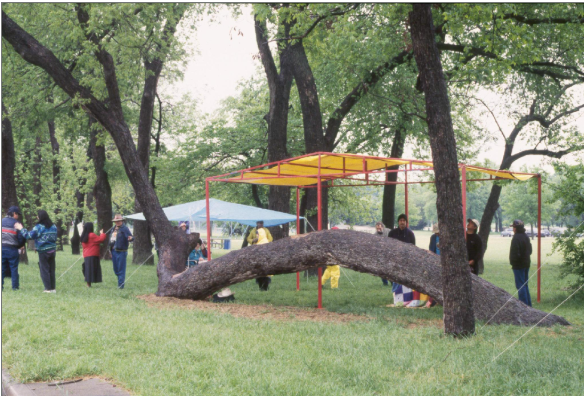
First IMT Recognized by the
Comanche Nation
Gateway Park Pecan
(Dallas’ White Rock Bluffs)
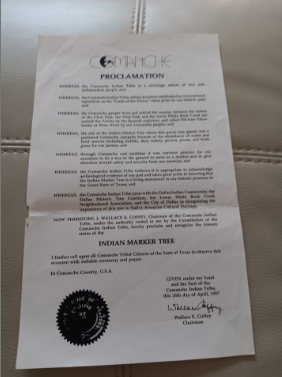
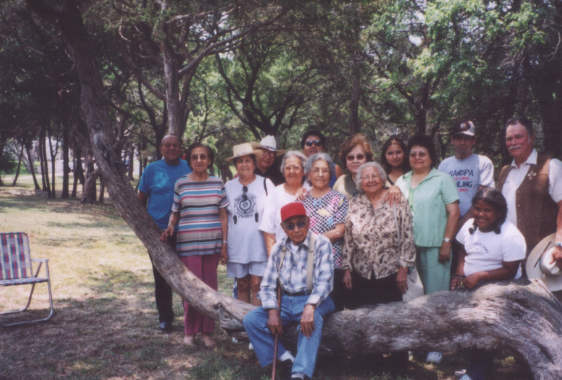
Comanche Elders visit Cedar Ridge Marker Tree (Red Cedar)
SW Dallas County (late 1990s)
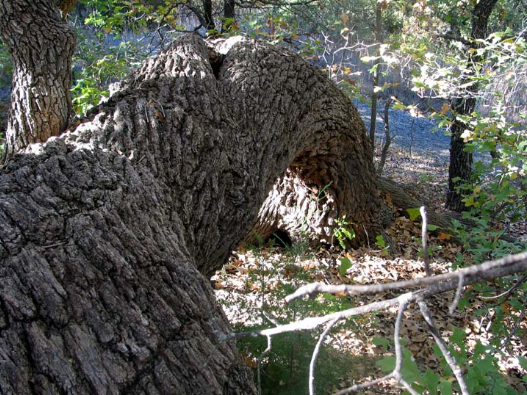
University of D Marker Tree
Irving, Texas (Burr Oak)
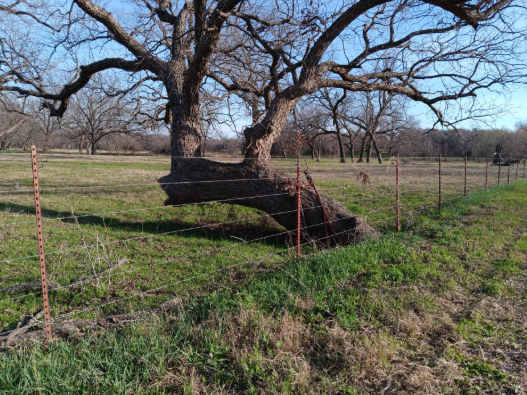
(Nominated) Comanche Marker Tree
DeLeon,Texas (Old Owl’s Camping Region)
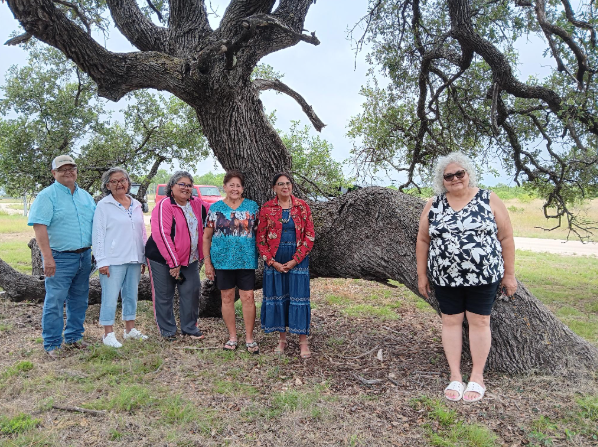
Nominated Comanche Marker Tree
Melvin, TX
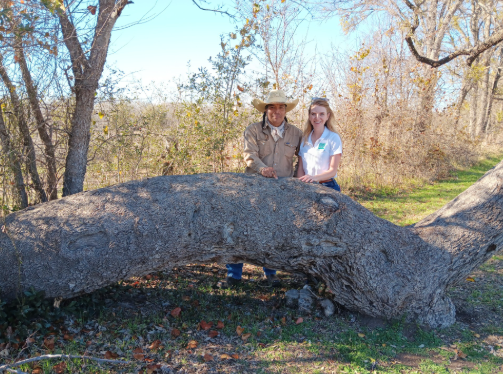
(Nominated) Brownwood Comanche IMT
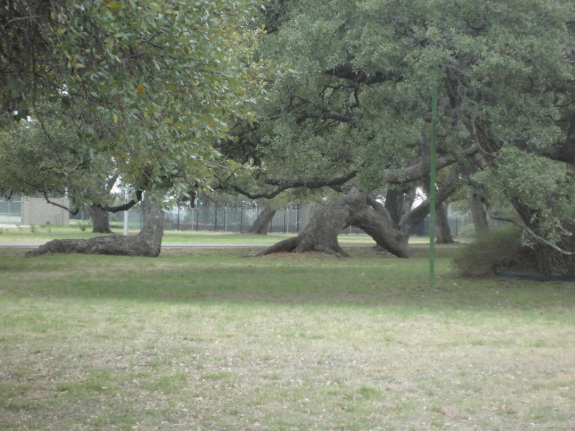
(Suspected) Comanche Marker Trees (Austin)
Please Help Find Potential Comanche IMTs
- These trees are hiding in plain site! We have found them on golf courses, city parks, in yards and near bridges, and more.
- Please be watching for them. If you think you may have found one, please photograph it and contact us.
- These will be old growth trees (must be at least 175 years old)
- If you think you’ve found one, then also note any significant environmental features nearby and inform us of the location.
- If you want to learn more about these trees, you might want to get a copy of Comanche Marker Trees of Texas and learn more.